 MuslyWave
Halal music: what Muslims listen to instead
Many Muslims look for “halal music”: audio they can enjoy without worrying about what they are listening to. In practice this usually means vocals-only nasheeds, the recitation of the Quran, adhkar and Islamic talks.
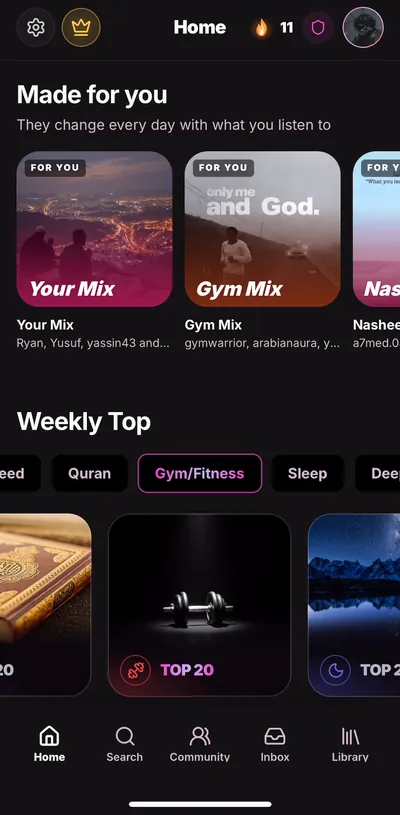
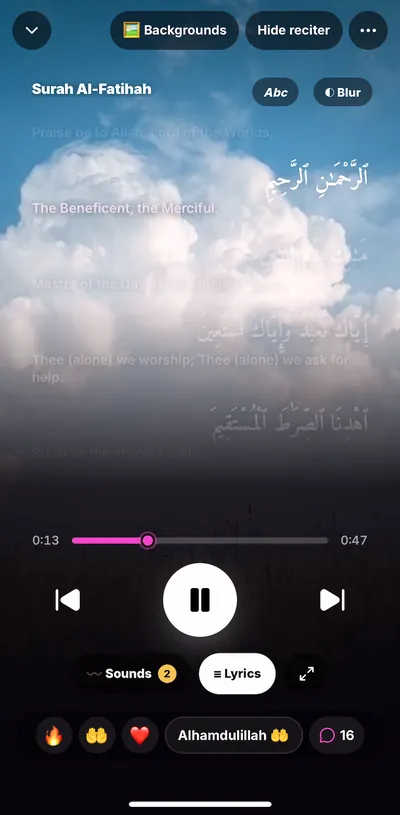
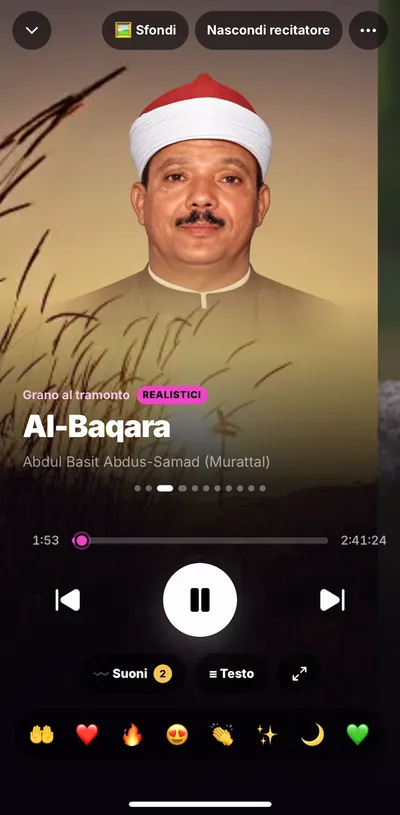
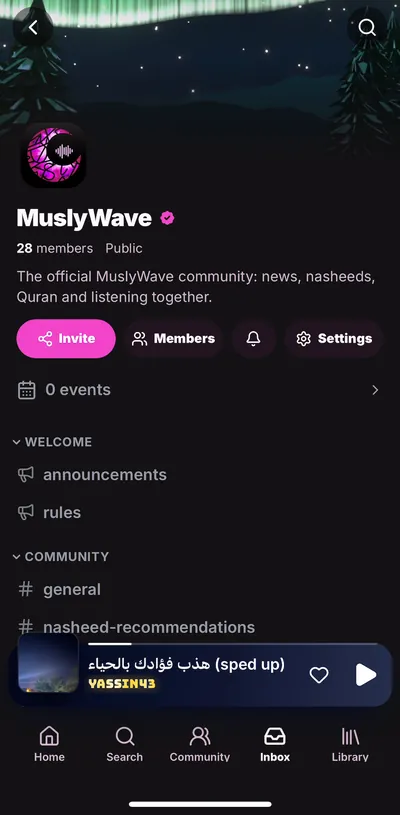
Listen for free in the MuslyWave app.


What scholars say
Scholars differ on musical instruments. Many classical scholars do not permit them, with exceptions such as the daff; others allow music whose words and setting are clean. Almost all agree that lyrics must not call to what is forbidden. If you are unsure, ask a scholar you trust – and vocals-only audio is a choice most Muslims are comfortable with.
Vocals-only nasheeds
Vocals-only nasheeds use only the human voice, with harmonies and layers instead of instruments. They exist for every mood: calm, uplifting, motivational, for children and for Ramadan.
Where to listen
MuslyWave brings vocals-only nasheeds, the full Quran with 150+ reciters, adhkar and podcasts into one free app for iPhone and Android, with playlists for every moment of your day.
Questions
What is halal music?
Usually vocals-only nasheeds, Quran recitation, adhkar and Islamic talks: audio without instruments and with good words.
Is it haram to listen to music?
Scholars have different opinions on musical instruments. Ask a scholar you trust; vocals-only nasheeds are widely accepted.
Download MuslyWave – free on iPhone and Android.
Read more
- Muslim music: nasheeds, vocals-only songs and the Quran
- Nasheeds: Islamic songs, explained
- Quran for sleep: what to listen to before bed
- The best Quran reciters and their voices
- Quran for studying and focus
- Nasheeds for the gym: vocals-only workout audio
- Morning and evening adhkar
- Surah Al-Kahf on Friday
- Listen to the Quran – 114 surahs
- The nasheed app